
 Español
  The Ships Passing Through Corpus Christi Tell a Bigger Story
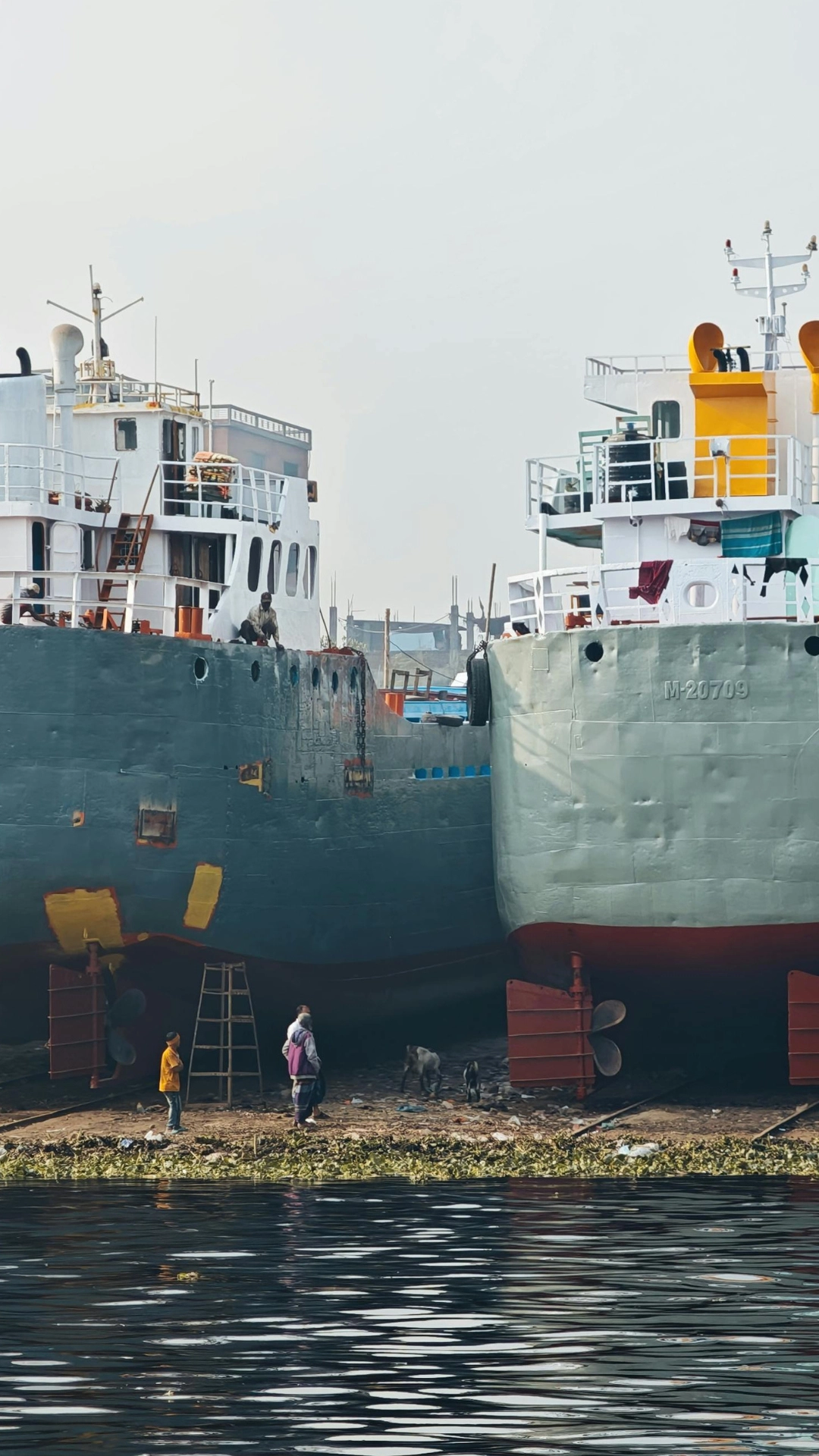
For most people in Corpus Christi, the ships are simply part of the landscape. You drive across the Harbor Bridge and see a tanker anchored in the bay. Tugboats push barges through the ship channel. On foggy mornings, the deep blast of a vessel’s horn echoes across downtown and North Beach, sounding almost like part of the weather. After a while, it’s easy to stop noticing them. They’re simply there—day after day, year after year—becoming part of the backdrop of everyday life. It’s easy to forget that every ship entering or leaving the harbor is part of something much larger. But there is nothing ordinary about what happens every day at the Port of Corpus Christi.
Behind those ships is one of the most important maritime economies in the United States. Crude oil from the Permian Basin travels hundreds of miles by pipeline before being loaded onto tankers bound for Europe and Asia. Massive LNG carriers leave South Texas carrying liquefied natural gas to markets around the world. Tugboats work around the clock guiding vessels through the Corpus Christi Ship Channel, while offshore supply vessels head into the Gulf carrying crews, fuel, and equipment.
Thousands of Texans make their living on the water or alongside it. Captains, deckhands, engineers, cooks, pilots, mechanics, crane operators, and offshore workers all play a role in keeping maritime commerce moving. And with that commerce comes risk. Working at sea has always been dangerous. The hazards are obvious: rough weather, moving cargo, heavy machinery, fires, explosions, mechanical failures, and the simple reality that help may be hours away when something goes wrong. Less obvious, however, are the laws that govern these workers and the vessels they serve.
Maritime law is unlike almost any other area of American law. A deckhand injured aboard a tugboat in Corpus Christi does not necessarily have the same rights as a construction worker injured in San Antonio. A mechanic who spends part of his time aboard vessels may or may not qualify as a “seaman” under federal law. And after a catastrophic collision or explosion, a vessel owner may attempt to invoke a federal statute enacted in 1851—the Limitation of Liability Act—to restrict what injured people can recover. Those laws may sound antiquated, but they are not. In South Texas, they matter every day.
The Port of Corpus Christi: A Maritime Powerhouse
The Port of Corpus Christi is not simply a local port. It is one of the most important ports in the world. Over the past decade, Corpus Christi has emerged as the nation’s leading crude oil exporter and one of the largest energy ports on the planet. Millions of tons of cargo move through the port every year, including crude oil, refined petroleum products, liquefied natural gas, agricultural products, and industrial materials. Its economic footprint extends far beyond the waterfront. Pipelines connect the port to the Permian Basin and Eagle Ford Shale. Refineries and petrochemical plants line the bay. Export terminals load energy products destined for Europe, Asia, and Latin America.
The ships themselves are staggering in scale. Some crude oil tankers visiting Texas ports stretch more than 1,000 feet in length and can carry over two million barrels of oil. LNG carriers transport natural gas cooled to nearly 260 degrees below zero in specialized insulated tanks. Offshore supply vessels shuttle constantly between shore and offshore installations, carrying everything from drill pipe and fuel to food and personnel. Even the smaller vessels are indispensable. Tugboats may not attract headlines, but they are among the hardest-working vessels in the maritime industry. They maneuver ships through narrow channels, push barges along the Intracoastal Waterway, and assist in offshore construction projects throughout the Gulf. For many South Texans, maritime commerce is not an abstract industry. It is their profession, their family business, their livelihood.
The Hazards of Working at Sea
Life aboard a vessel is fundamentally different from life ashore. A deck pitches beneath your feet. Equipment is constantly moving. Machinery runs day and night. Weather can change in minutes. A simple injury may become an emergency if the nearest medical care is hours away. The risks are real. Maritime workers may face:
- Vessel collisions
- Crane accidents and falling cargo
- Slips and falls on wet decks
- Mechanical failures, fires, and explosions
- Chemical exposures
- Heavy weather injuries
- Fatigue from extended rotations
- Falling overboard
Oil tankers and LNG carriers operate with enormous quantities of flammable materials. Tugboats routinely work in confined waterways with powerful currents and limited room for error. Offshore supply vessels often operate in rough seas far from shore. Even cruise ships, which appear luxurious to passengers, are workplaces for thousands of crewmembers who spend months at sea performing physically demanding jobs. Because maritime work exposes employees to risks that differ from those faced by land-based workers, federal law has developed special protections for seamen. But that raises an important question: who qualifies as a seaman?
Who Is a Seaman Under the Jones Act?
Most people assume they know the answer: if someone works on a boat, they’re a seaman. Unfortunately, maritime law is rarely that simple. The Jones Act is a federal statute that allows injured seamen to sue their employers for negligence. But before someone can bring a Jones Act claim, they must first establish that they qualify as a seaman. Federal courts generally ask two questions.
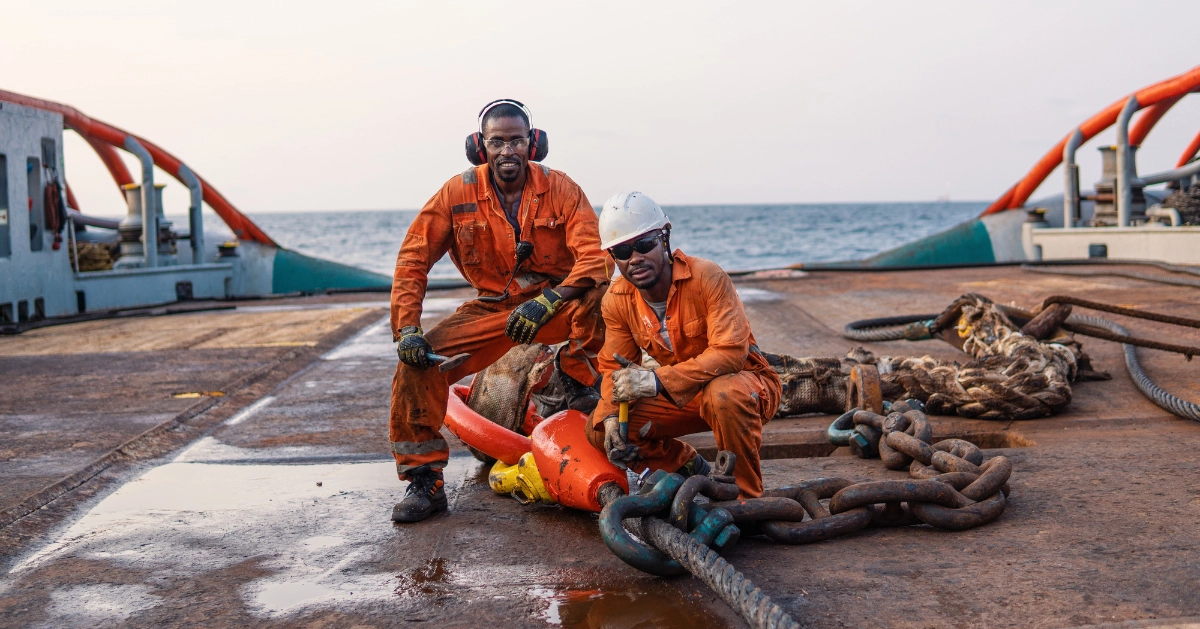
First, does the worker contribute to the function of the vessel or the accomplishment of its mission? This requirement is interpreted broadly. Captains obviously qualify, but so do deckhands, engineers, cooks, mates, and many others whose work contributes to the vessel’s operation. In some situations, mechanics, electricians, crane operators, and offshore workers may qualify as well. The second question is often more difficult: does the worker have a substantial connection to a vessel—or to a fleet of vessels—in both duration and nature? This is where lawyers sometimes refer to the “30 percent rule.”
 Understanding the 30 Percent Rule
The so-called 30 percent rule is not actually written anywhere in the Jones Act. Instead, it developed through decades of court decisions. As a general guideline, courts have explained that workers who spend approximately thirty percent or more of their working time aboard a vessel in navigation may qualify as seamen. But that number is not magic. Thirty-one percent does not automatically make someone a seaman. Twenty-nine percent does not automatically disqualify them.
The rule exists for a practical reason: maritime law distinguishes between workers who are sea-based and workers whose connection to vessels is merely temporary or sporadic. For example:
The first employee spends most of his career aboard a fleet of tugboats operating along the Texas coast. He eats aboard the vessels, sleeps aboard them, and travels wherever the company sends him.
The second employee works primarily at a shipyard but occasionally boards vessels to perform repairs.
Both work around ships. Only one may qualify as a seaman. The distinction matters enormously because Jones Act seamen enjoy rights unavailable to many other workers.
The Rights of Injured Seamen
If an injured maritime worker qualifies as a seaman, several important remedies may be available. Unlike ordinary workers’ compensation systems, the Jones Act permits injured seamen to sue their employers for negligence. The burden of proof is often more favorable to the worker than in many land-based cases. A failure to provide a safe place to work, inadequate training, insufficient staffing, defective equipment, or unsafe work practices may all give rise to liability.
Maritime law also imposes a separate duty on vessel owners to provide a seaworthy vessel. This does not mean the ship must be perfect, but it must be reasonably fit for its intended purpose. An unseaworthy condition may include defective equipment, unsafe ladders or walkways, inadequate crew size, improperly trained personnel, dangerous methods of operation, or mechanical failures.
Maritime employers also owe their seamen maintenance and cure. These obligations are ancient—older than the United States itself. Maintenance generally refers to a daily living allowance while the seaman recovers, and cure means reasonable medical expenses incurred until the worker reaches maximum medical improvement. Importantly, these obligations often exist regardless of fault: a seaman may be entitled to maintenance and cure even where no one was negligent. However, having strong rights on paper is only half the battle. Whether a seaman actually recovers on a negligence or unseaworthiness claim usually comes down to a much more practical question: what caused the accident, and how well that cause can be proven.
Maritime Accidents Frequently Involve More Than One Cause
When people think of maritime accidents, they often imagine a single dramatic mistake. Reality is rarely so simple. A vessel collision may involve equipment failures, navigation errors, fatigue, mechanical problems, poor maintenance, improper staffing, unsafe operating procedures, inadequate training, or weather conditions. The same is true for offshore accidents, where an explosion may involve a defective valve, poor communication between crews, inadequate inspections, or failures in emergency procedures. The facts matter, and maritime investigations often begin immediately.
 Why Early Investigation Matters
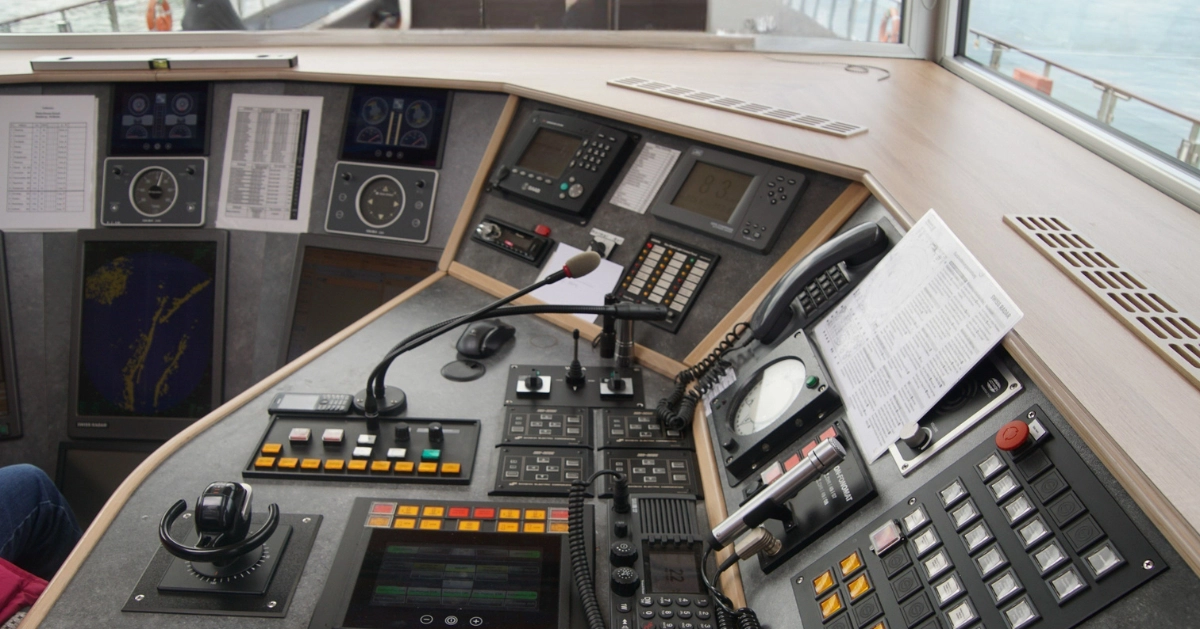
Evidence in maritime cases can disappear quickly. Electronic navigation records may be overwritten. Surveillance footage may be erased. Crew members rotate off vessels. Equipment gets repaired. The vessel itself may leave port. As a result, early investigation often focuses on preserving:
- Voyage data recorders and GPS tracks
- Electronic chart information and engine logs
- Maintenance and inspection records
- Crew schedules and drug/alcohol testing
- Coast Guard investigations
- Photographs, videos, and witness statements
In many cases, the physical condition of the vessel becomes central evidence, such as:
- A failed winch
- A broken ladder
- A defective hatch
- An improperly maintained engine
- A dangerous deck condition
The answers are often found not in speculation, but in the ship itself. That same evidence does more than establish fault. It often decides a second, very different question: whether the vessel owner can limit what they owe in the first place.
The Limitation of Liability Act: A 175-Year-Old Law Still Used Today
Even a seaman with a strong claim and well-documented cause can run into a legal tool unlike anything found in ordinary personal injury law: the Limitation of Liability Act. Perhaps no maritime statute surprises people more. The law dates to 1851, when its purpose was to encourage American shipbuilding by protecting vessel owners from catastrophic financial losses. More than a century and a half later, it remains very much alive.
The statute allows vessel owners, under certain circumstances, to limit their liability to the value of the vessel and its pending freight after the accident. At first glance, that sounds impossible: imagine a vessel collision causes $100 million in damages, then the vessel sinks. If the wreckage is worth only a fraction of its pre-accident value, the owner may argue that all claims should be limited to that amount. That is precisely why limitation actions are among the most unusual proceedings in American law.
To most people, that seems unfair. How can a company potentially avoid paying the full amount of damages simply because its ship was destroyed? The answer lies in history. When Congress enacted the law in 1851, the United States was trying to compete with European shipping companies. Maritime commerce was risky. Storms, fires, and collisions could wipe out an owner’s entire fortune overnight. Congress feared that without some protection, investors would refuse to own ships at all, so it created a system that, under certain circumstances, would cap an owner’s financial exposure and encourage investment in American shipping. That policy may have made sense in the age of wooden sailing ships. Yet the statute remains on the books today and is routinely invoked after modern maritime disasters involving oil tankers, tugboats, offshore vessels, and commercial ships.
 How Limitation Proceedings Work
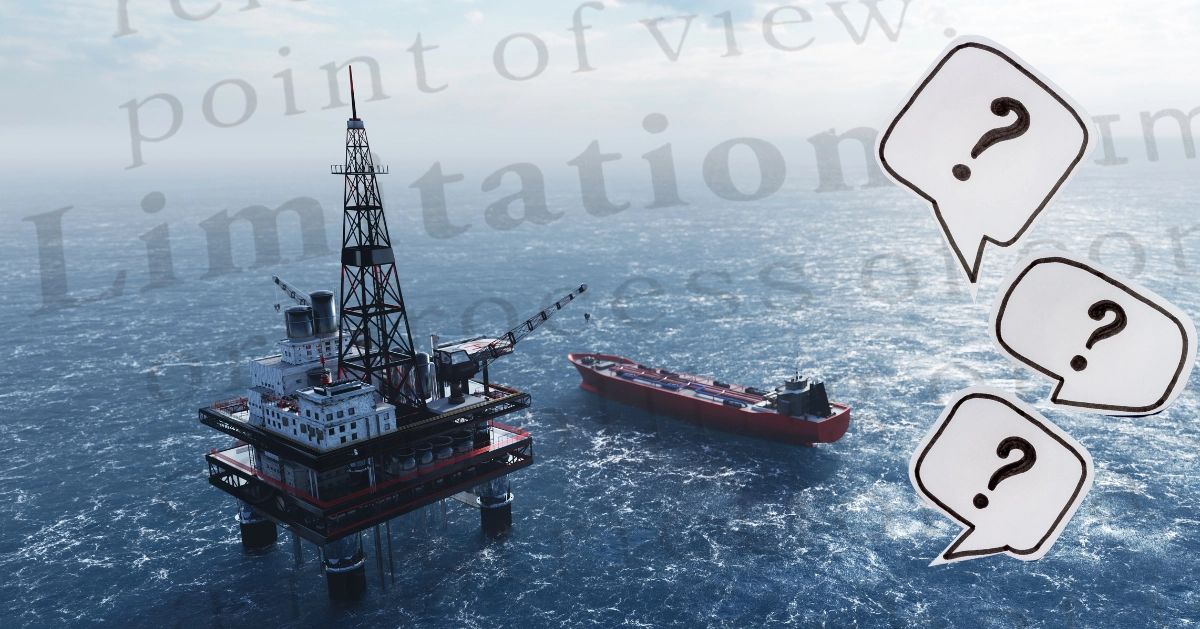
After a serious maritime casualty, the vessel owner may file a limitation action in federal court. Think of it as a race to the courthouse: instead of waiting to be sued in multiple states by multiple people, the vessel owner asks one federal judge to take control of the entire dispute. The court then establishes what is known as a limitation fund, which generally consists of the vessel’s value after the accident, plus any freight the vessel was carrying or earning at the time of the accident. If the ship sinks and is worth very little afterward, the fund may be surprisingly small.
Additionally, the court will often pause or stay lawsuits filed elsewhere. Everyone who claims to have been injured—or whose family member was killed—may be required to come into that single federal proceeding and make their claims there. At that point, the case usually turns to one central question:
Should the owner be allowed to limit liability at all?
The answer depends on a phrase that appears throughout maritime law:
“Privity or knowledge.”
That phrase sounds technical, but the basic idea is straightforward: did the owner know—or should the owner have known—about the dangerous condition that caused the accident?
Imagine a tugboat company sends a vessel to sea with defective steering equipment. If management knew about the problem and ignored it, the owner may not be allowed to limit liability. Or imagine an offshore vessel has a history of mechanical failures that were repeatedly reported but never fixed—if company officials were aware of those issues, limitation may be denied. On the other hand, suppose a piece of equipment fails suddenly and without warning despite proper maintenance and inspections. The owner may argue that the accident occurred without its knowledge and that limitation should be allowed.
In other words, the Limitation of Liability Act does not automatically shield vessel owners from responsibility. It allows them to argue that they should not be held responsible beyond the value of the vessel because they lacked knowledge of the negligence or dangerous condition that caused the casualty. This is exactly why the evidence gathered right after an accident carries so much weight. The voyage data, maintenance records, and inspection reports preserved early on are often what determine whether “privity or knowledge” can be proven at all. Whether they succeed depends on the facts.
Imagine a catastrophic explosion aboard an offshore vessel injures ten workers and causes tens of millions of dollars in damages. If the owner successfully limits liability, everyone’s claims may have to be paid from a fund that is dramatically smaller than the total damages suffered. If limitation is denied, claimants may pursue the full value of their claims. That is why limitation proceedings are often fiercely contested. They are not simply fights about money. They are fights about accountability:
- Who knew what?
- When did they know it?
- Could the accident have been prevented?
- Was the vessel properly maintained?
- Were the crew adequately trained?
- Was the ship reasonably safe to operate?
Those questions are often at the heart of maritime litigation, and they explain why a law written during the presidency of Millard Fillmore continues to shape some of the largest maritime cases in America today.
Maritime Law Will Only Become More Important in South Texas
The future of Corpus Christi is tied to the water. The Port of Corpus Christi continues to expand. Energy exports continue to grow. New terminals are being constructed. Larger vessels are arriving. Offshore operations continue throughout the Gulf. With that growth comes opportunity, and it also comes risk. Questions about who qualifies as a seaman, what rights injured workers possess, and whether vessel owners may limit their liability are not academic exercises. They affect real people:
- The captain guiding a tanker into port
- The deckhand aboard a tugboat
- The engineer on an offshore supply vessel
- The mechanic repairing equipment dockside
- The offshore worker spending weeks away from home
For generations, maritime law has evolved to govern those relationships and those risks. And in a city like Corpus Christi—where ships are part of the skyline and commerce flows through the harbor every day—that law remains as relevant as ever.
Maritime Lawyers in Corpus Christi
At Perkins & Perkins, we represent individuals and families in catastrophic injury and wrongful death cases throughout Texas, including matters involving maritime accidents, offshore injuries, vessel casualties, industrial incidents, and defective products.
If you or a loved one has been injured in a maritime accident, early investigation and evidence preservation can make an important difference. We offer free consultations, and there is never a fee unless we recover for you.
Call Perkins & Perkins at (361) 853-2120 or visit us online at PerkinsPerkinsLaw.com.
Disclaimer: This article is for informational purposes only and does not constitute legal advice. Reading this article does not create an attorney-client relationship. Every case is different, and outcomes depend on the specific facts and applicable law.